Couples Therapy in Cambridgeshire: What to Expect from Your First Session
Whether you’re coming as romantic partners, co‑parents, siblings, friends, or any other meaningful duo, starting couples therapy can bring up a mix of nervousness, hope, hesitation, dread and excitement. If you’re considering sessions with me in St Neots, Cambridgeshire (either in-person at my cottage or remotely), this guide will help you understand what that first step actually looks like.
Stepping into any type of therapy or new environment can feel intimidating. My aim within the first session is to hopefully alleviate any concerns or worries you may have but also to sit and acknowledge the nervousness and emotional investment you are taking.
Why People Come to Couples Therapy
People seek support for all sorts of reasons. It the 20th century, reasons for couples starting therapy tended to be because of one of three reasons; addiction, affairs or abuse. However, since entering the 21st century, there are a vast variety of reasons people enter the therapy space and it is increasingly being used as a 'maintenance' for relationships.
Often, it’s because something feels unbalanced:
One person is carrying more mental load, practically or emotionally.
Communication keeps getting tangled.
Small conflicts feel big.
You want to rebuild connection after a difficult period.
You’re navigating transitions such as moving, parenting, separation, blending families, or renegotiating boundaries.
It's for couples (romantic and non-romantic) who want a healthier, more functional relationship.
If any of these resonate, you’re in the right place. I work with all kinds of couples and relational pairings, and therapy is simply a space to reset, reflect, and reconnect.
What Happens in the First Session
Your first session is about slowing everything down. Most pairs arrive with a long list of things that feel urgent, painful, or confusing but before we try to solve anything, we establish understanding and find out where you both are at.
Here’s what we typically cover:
1. Getting to Know You (Individually and Together)
I’ll ask a bit about your relationship history: how you met, how you’ve supported each other, what you value in the relationship, and what brings you to therapy now. This isn’t a test; it’s context. Most couples find that simply telling the story together reveals a lot about where things feel aligned and where they don’t.
2. Identifying Your Goals
You don’t need to arrive with a perfectly worded goal. You might not even agree on your goals yet. That’s normal. We take time to understand what each person hopes to get out of therapy. Often, goals overlap more than expected they're just expressed differently.
3. Establishing Safety and Fairness
Good therapy isn’t about choosing sides. It’s about supporting the relationship. In the room (or on screen), my role is to create the kind of environment where each person feels heard, respected, and understood. Even when difficult things come up, we do it gently, at your pace.
4. Beginning to Map Out Patterns
The first session often reveals patterns: who steps into the problem-solver role, who withdraws under stress, who becomes overwhelmed by mental load, who feels unheard. We might not be able to initially name these patterns, but the first session offers the opportunity to get an insight away from blame.
5. Practical Next Steps
By the end of the first session, we’ll have a clearer shared understanding of where we’re heading. You don’t leave with homework unless you want it, but I may offer simple reflective exercises or communication tips if they feel appropriate.
What Couples Often Worry About Before Starting
Many people worry about:
“Will the therapist take sides?”
“What if we argue?”
“What if we say the wrong thing?”
“What if one of us talks more than the other?”
“Is our problem too silly? Too big? Too late?”
These concerns are incredibly common. Therapy is a place for honesty, vulnerability, and sometimes humour! I don’t expect you to show up polished. For the therapy to feel valuable, I ask for clients to show up as humans figuring things out.
In-Person vs Remote Sessions
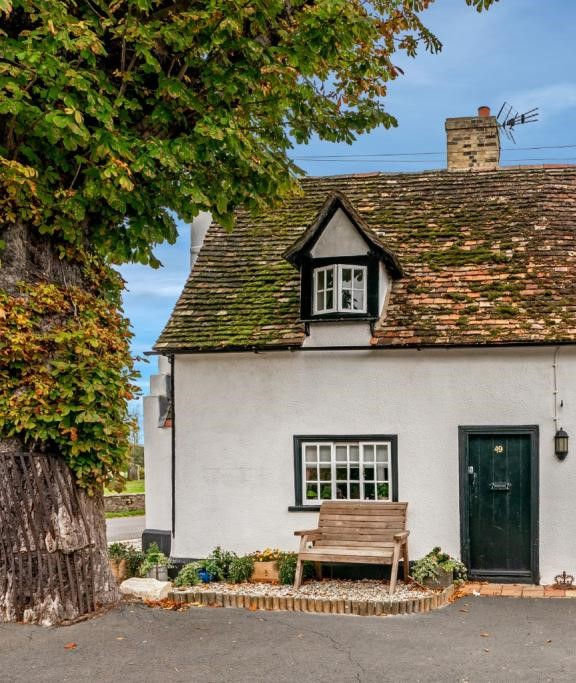
At my cottage in St Neots, sessions tend to feel grounding, peaceful, and private. It offers me the opportunity to see how you both interact with each other and to notice body languages.
Remote sessions offer the same therapeutic support but with the added ease of joining from home, work, or even separate locations if needed. Though if having sessions online, I often recommend for couples to be in the same room as one another if possible, comfortable and safe to do so.
Both formats work well; choose whichever feels most accessible and comfortable for you.
Available Resources to get a sense of me before the first session
If you’re thinking about therapy from the angle of feeling overwhelmed, stretched, or stuck in a cycle of doing more than your fair share, you may find my free resource “A Guide to Household Rebalance” helpful. It’s a gentle introduction to redistributing mental load without escalating conflict. This topic comes up often in couples sessions.
You can also dive into other articles on my blog at laurawoodtherapy.co.uk, where I explore themes like communication, reconnection, emotional labour, and navigating conflict with compassion. These pieces can help you ease into the work of therapy and spark useful thoughts to bring into your sessions.
When Is the Right Time to Start?
If you’re reading this, you may already sense that something in your relationship needs attention. You don’t need to wait for a breaking point. Starting therapy early often prevents small issues from spiralling into entrenched patterns.
Whether you’re strengthening your partnership, rebuilding after strain, or learning healthier ways to navigate conflict, your relationship deserves care and attention. Therapy is simply a supportive space to do that together, with guidance, calm, and the occasional bit of realness to keep things grounded.
If you’d like to explore working together (remotely or in St Neots, Cambridgeshire) you’re welcome to reach out through my website or send me an email to laura@laurawoodtherapy.co.uk
whenever you’re ready.
Warmly,
Laura